My story in the south
2024
Introduction:
From September 1 to November 30st 2024, I had the opportunity to do an internship at the company Africa Media. Located in a little town called Mossel Bay in South Africa.
Africa Media blends wildlife conservation and visual storytelling courses to offer the best of both worlds.
Over the course of these three months, I got the chance to work on my photo- and videography skill. Aswell as learning about my personal ethics code when it comes to approaching these wildlife animals.
In addition to that I gained valuable experience working with colleagues
In this portfolio blog, I’ll be sharing my personal journey over the past few months—highlighting both the challenges and the successes, as well as the lessons learned along the way. not too forget, I’ll throw in some nice pictures!
From the start
In the beginning of the month I flew to South Africa to start my internship at Africa Media. Not knowing what to expect, I was excited to start this new adventure full of opportunities, but I also knew I had a lot to work on, especially when it came to handling the camera.
As said before: Africa Media is known for offering monthly courses to people who are passionate about film & photography and wildlife conservation. This piqued my interest, so in addition to working at the company, I decided to enroll in a one-month course.
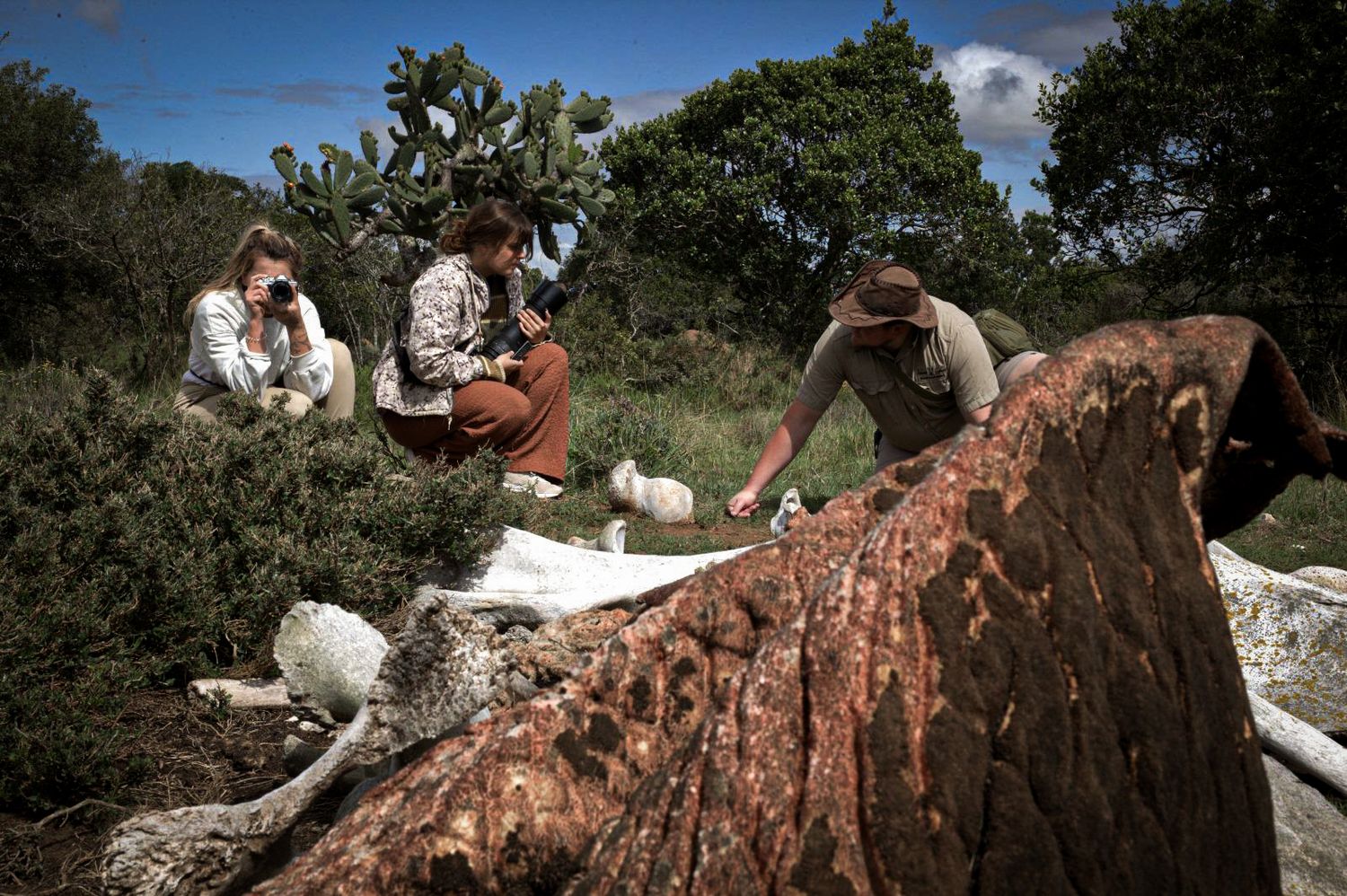
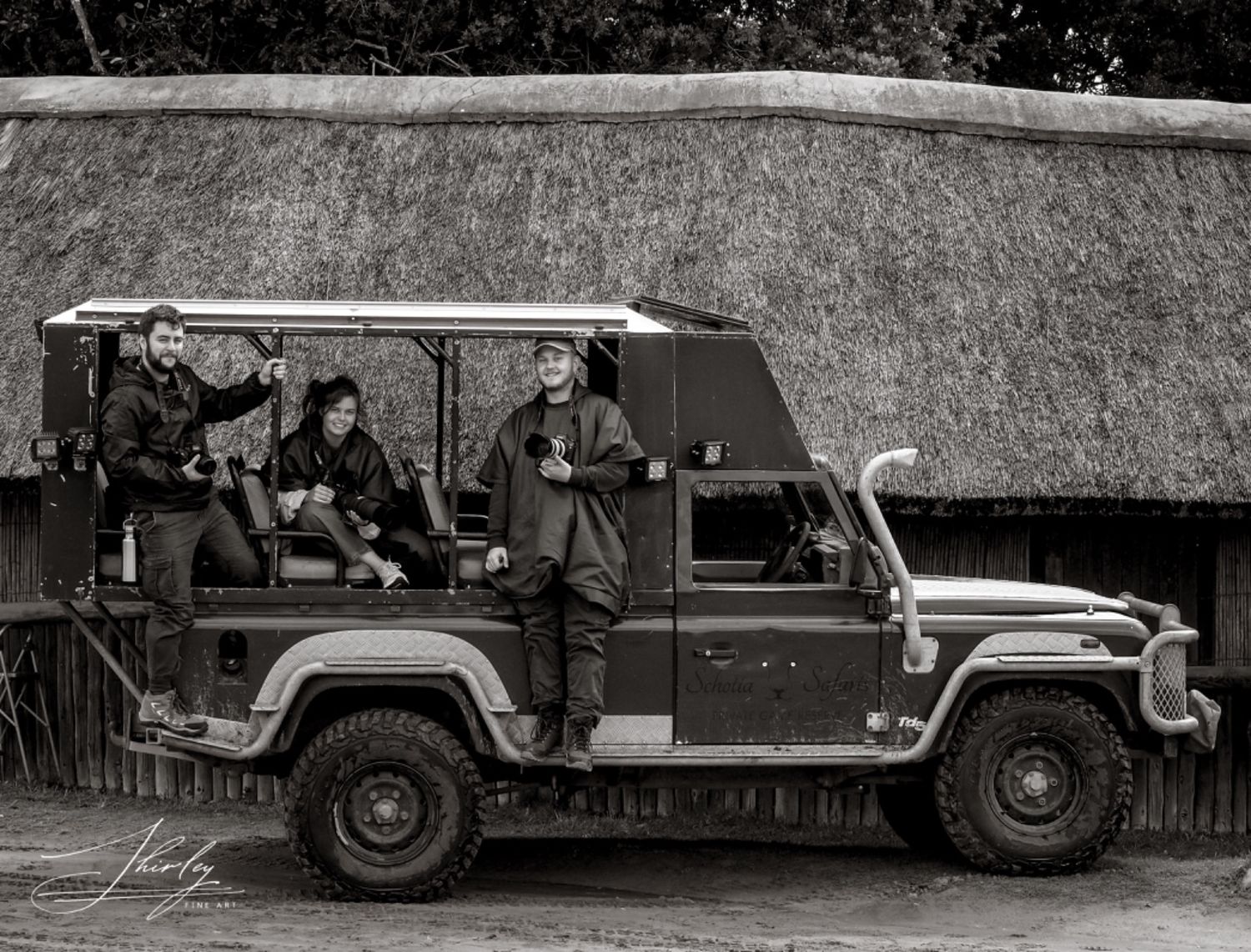
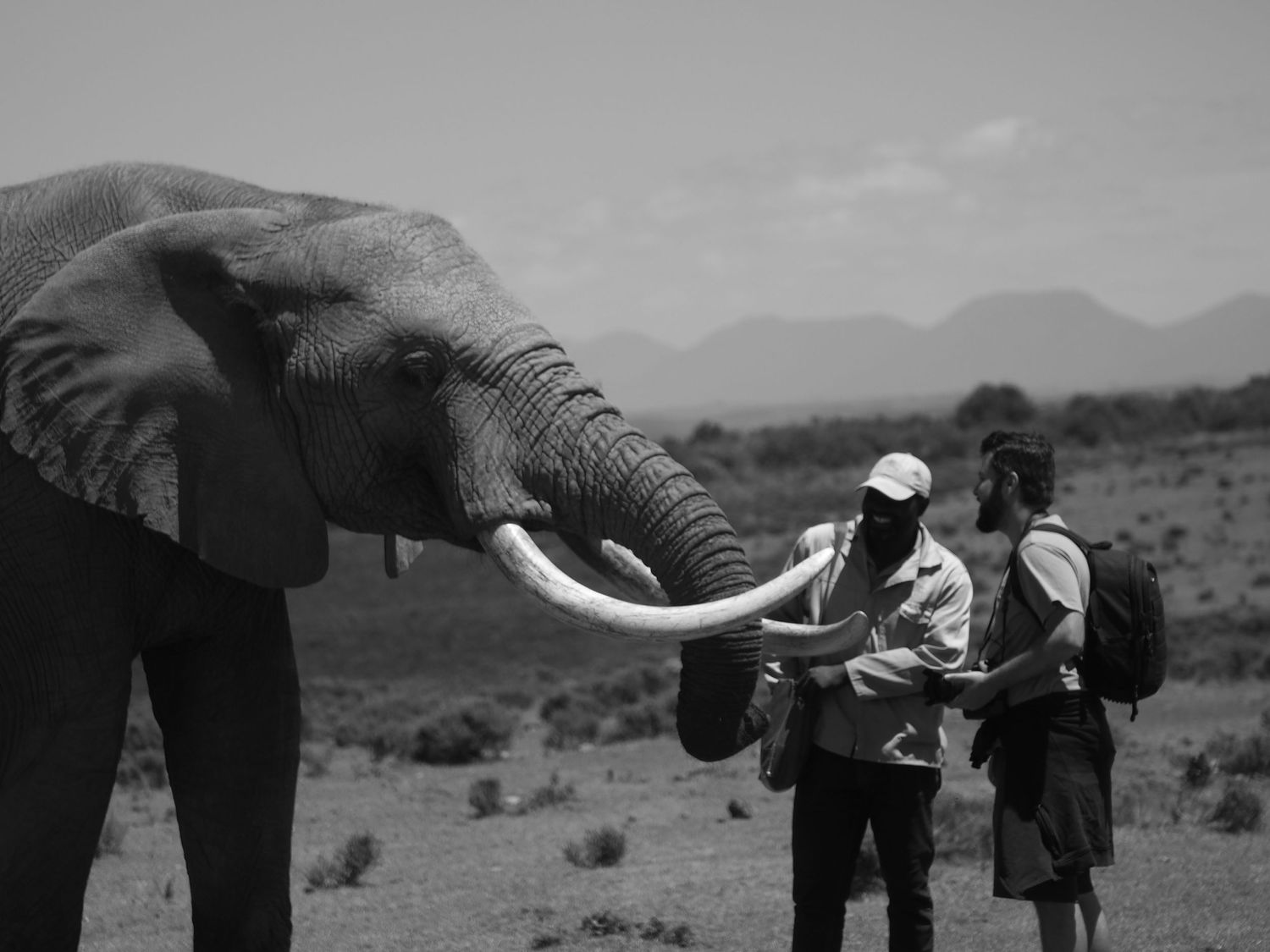
Schotia Game Reserve - Learning about anti-poaching
The course
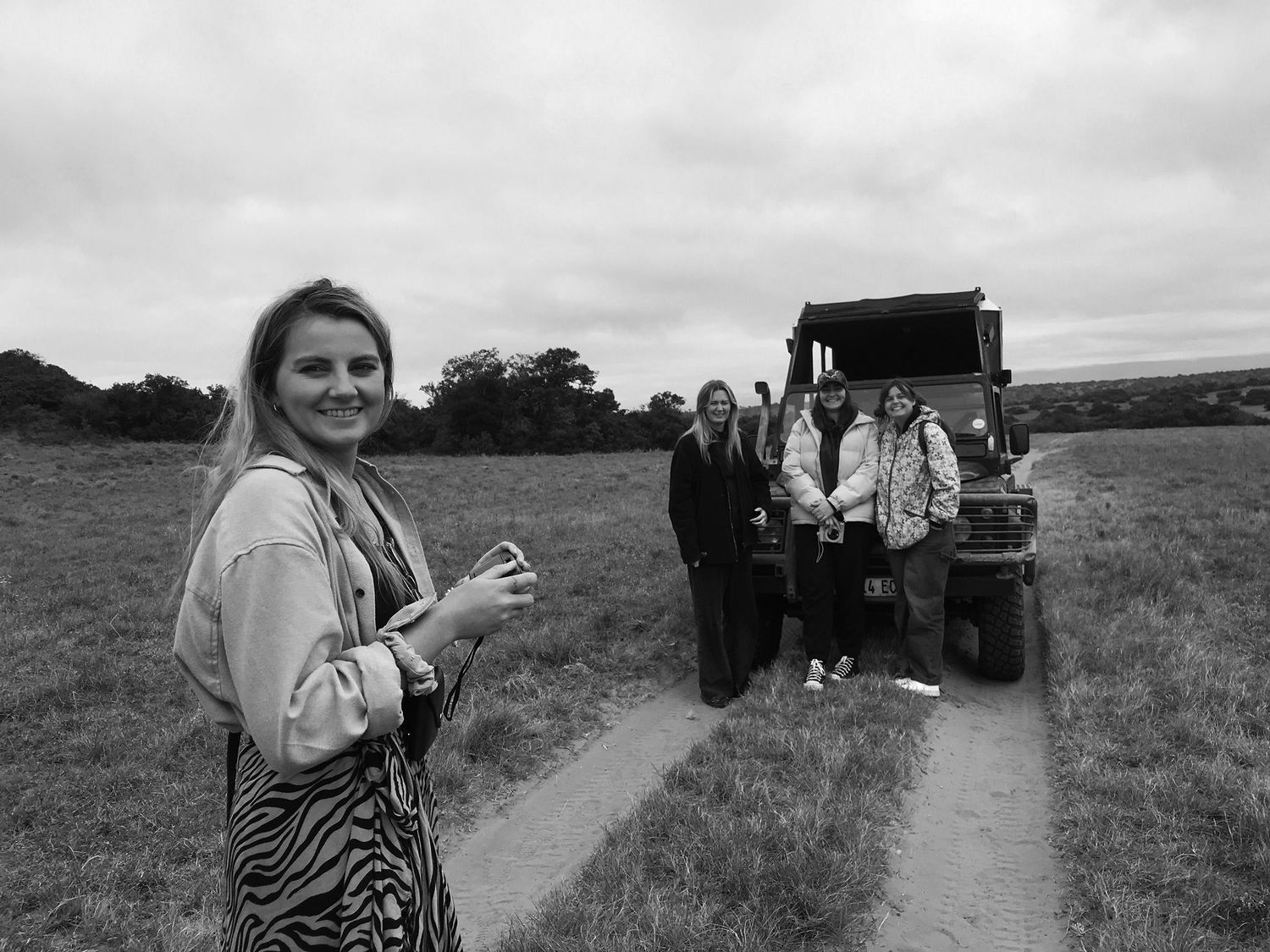
It seemed like the perfect opportunity to dive deeper into the field. For the first two weeks, we had intensive training, five days a week from 9 am to 5 pm, covering pre-production, working safely in the wild, and mastering camera techniques. I was in a small group setting with 4 other students which was beneficial, allowing us to focus on our personal interests and goals.
One of the first tasks was to define our personal ethical code that would guide our work. It quickly became clear that for me, conservation would always come first, with content creation following closely behind. I realized that the message I want to convey through my work is not just about making beautiful visuals but about promoting respect and protection for nature and wildlife.
A significant part of my journey was overcoming my struggles with camera work, something that had always been a challenge for me, especially during my studies.
One of the instructors of the course was an incredible help in this area, offering practical tips and showing me how to use different camera's more effectively. This helped me become more confident in my skills and gave me a deeper understanding of the technical side of photography and videography.
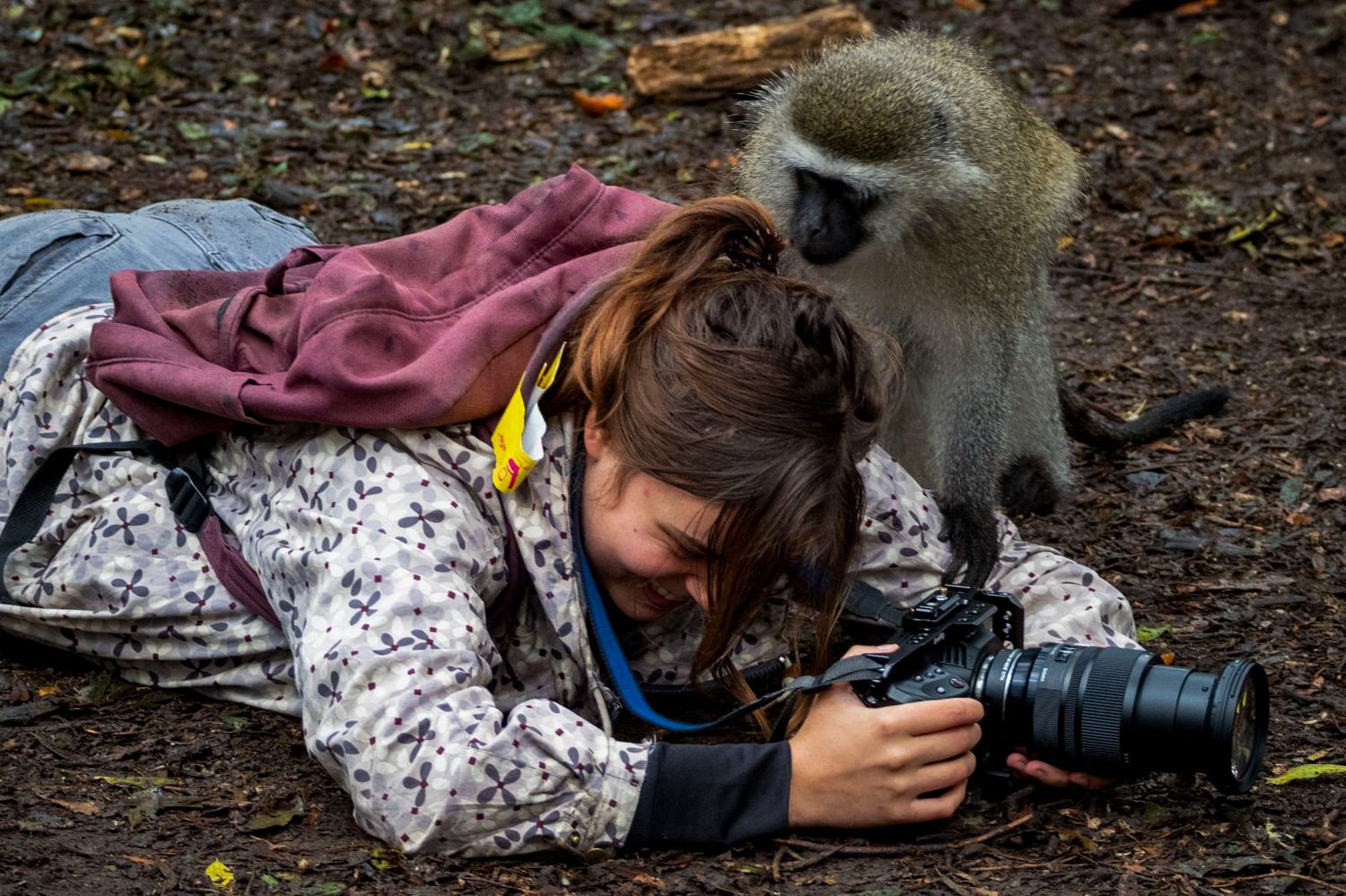
What is ethical?
Where is the line between education and exploitation when it comes to filming and photographing animals?
Over these past months, I've been reflecting on where I personally draw the line ethically in wildlife filmmaking and photography.
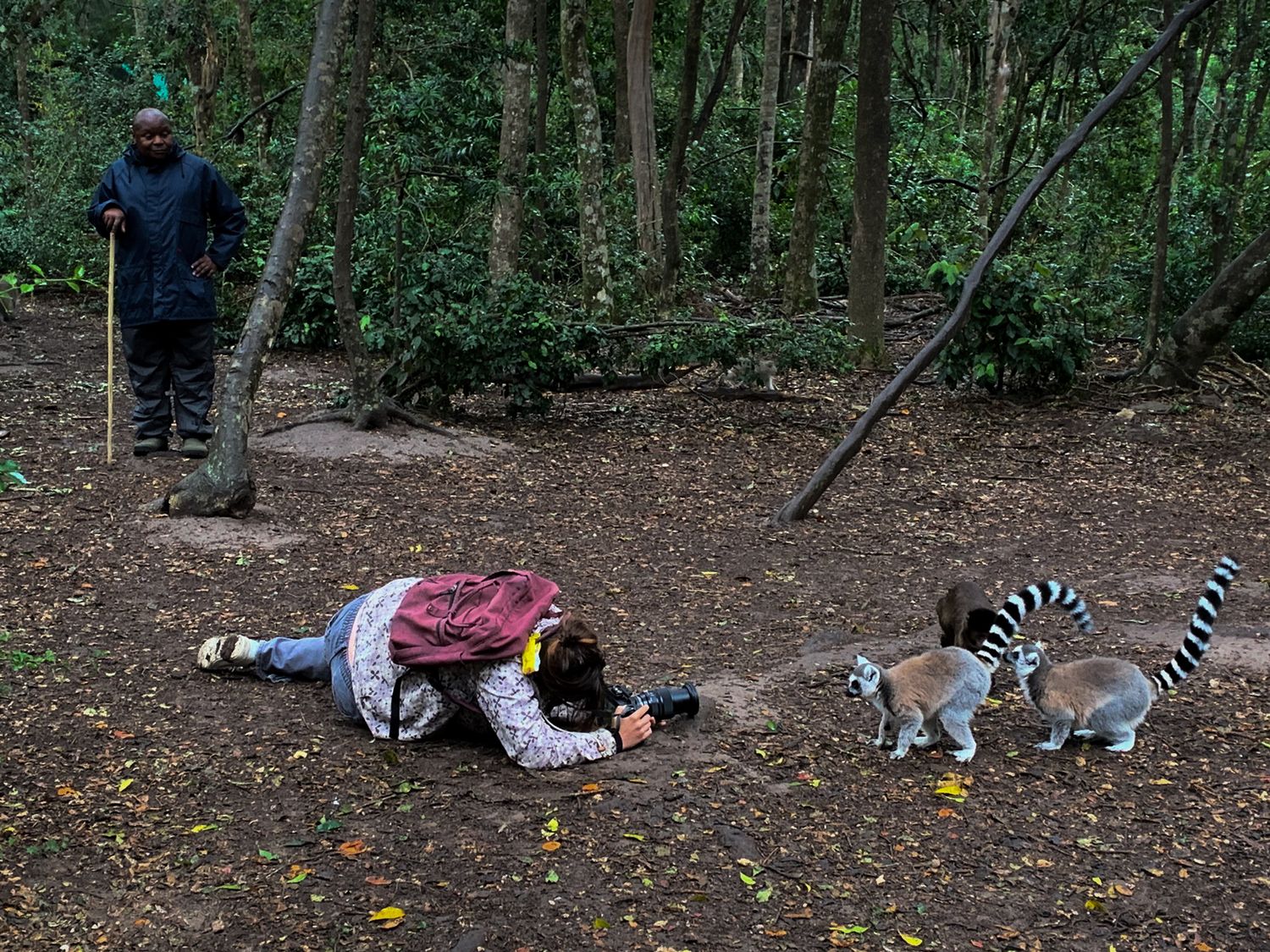
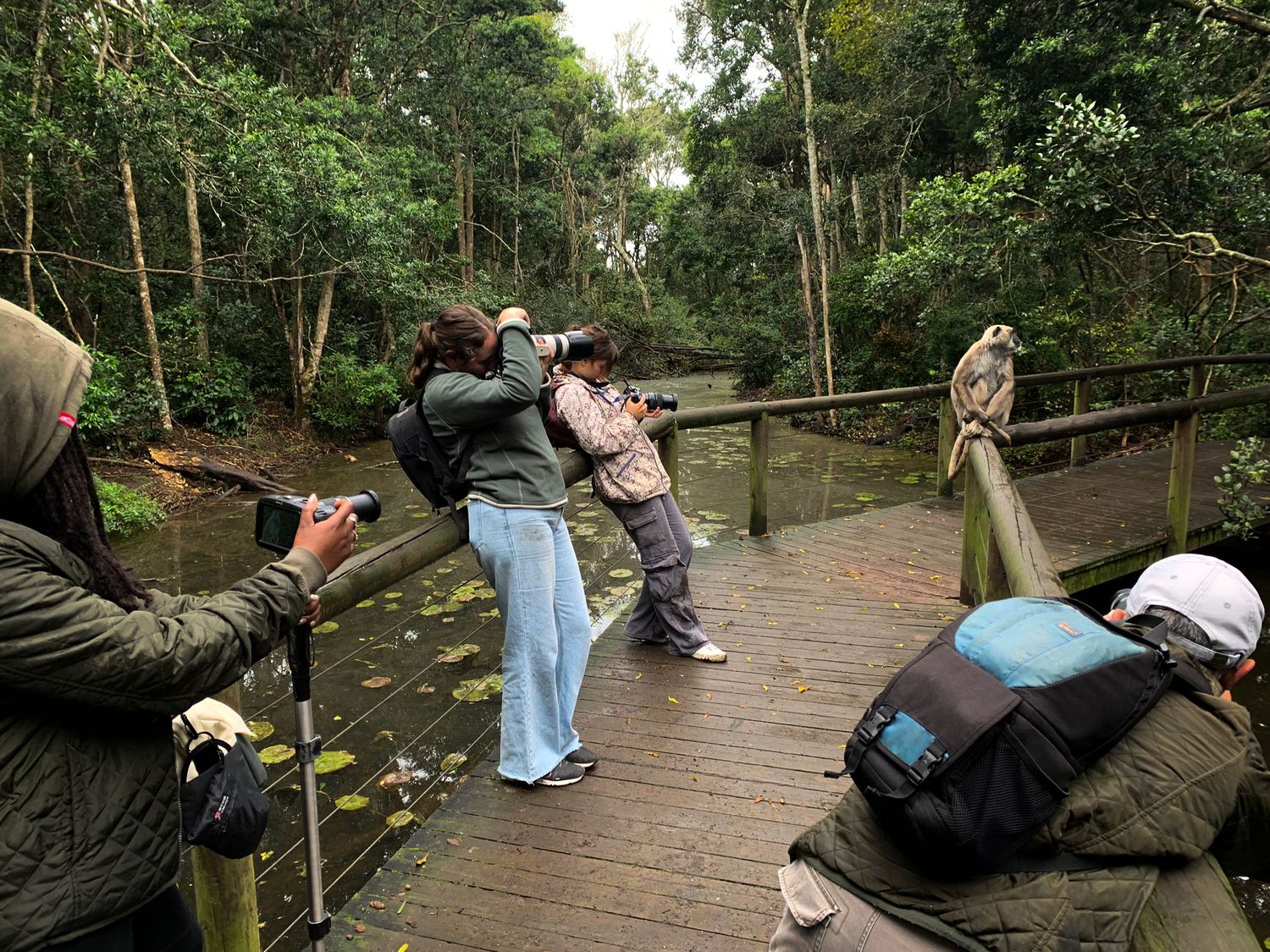
Training
Even though I received a lot of help from the instructors, I still had a lot to learn. As I mentioned before, I often struggled with the technical side of working with a camera. There were so many settings to adjust and steps to follow... Where do you even begin? How do you know which settings are best? I’m someone who likes to feel in control and prepared, but during this time I noticed that wildlife filmmaking doesn’t really work that way.
You can’t plan everything because you never know what you’ll encounter or what’s going to happen in the moment.
Practice and repeat
So the only way for me to get better was just by filming a lot and repeating the cycle. During this time, we were able to visit several places to test both our technical skills and our creative side in wildlife filmmaking. There were many times when I was so certain about my approach, only to look back at my footage and realize it didn't turn out as I'd expected. It was incredibly frustrating, and I kept asking myself, "What am I doing wrong?"
it took me time to really understand why certain things didn’t work. Whether it was lighting, angle, or camera settings. But each mistake became a lesson, a sort of 'stepping stone' to getting closer to the shots I envisioned. Over time, I started to trust the process, knowing that every mistake was part of becoming better at my craft.
But I have to admit.. I still don't always have the patience for it.
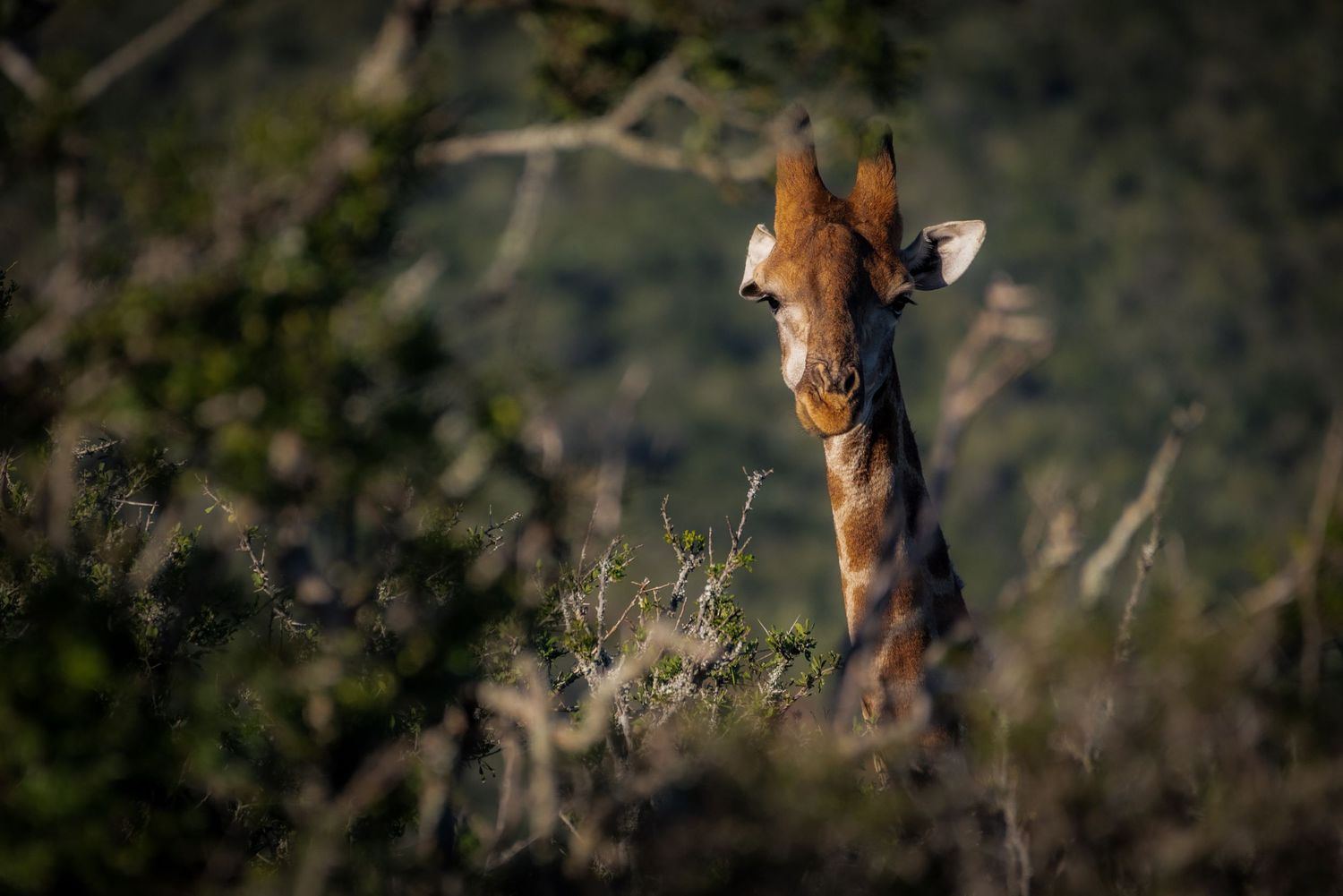
Photographs at Schotia game reserve
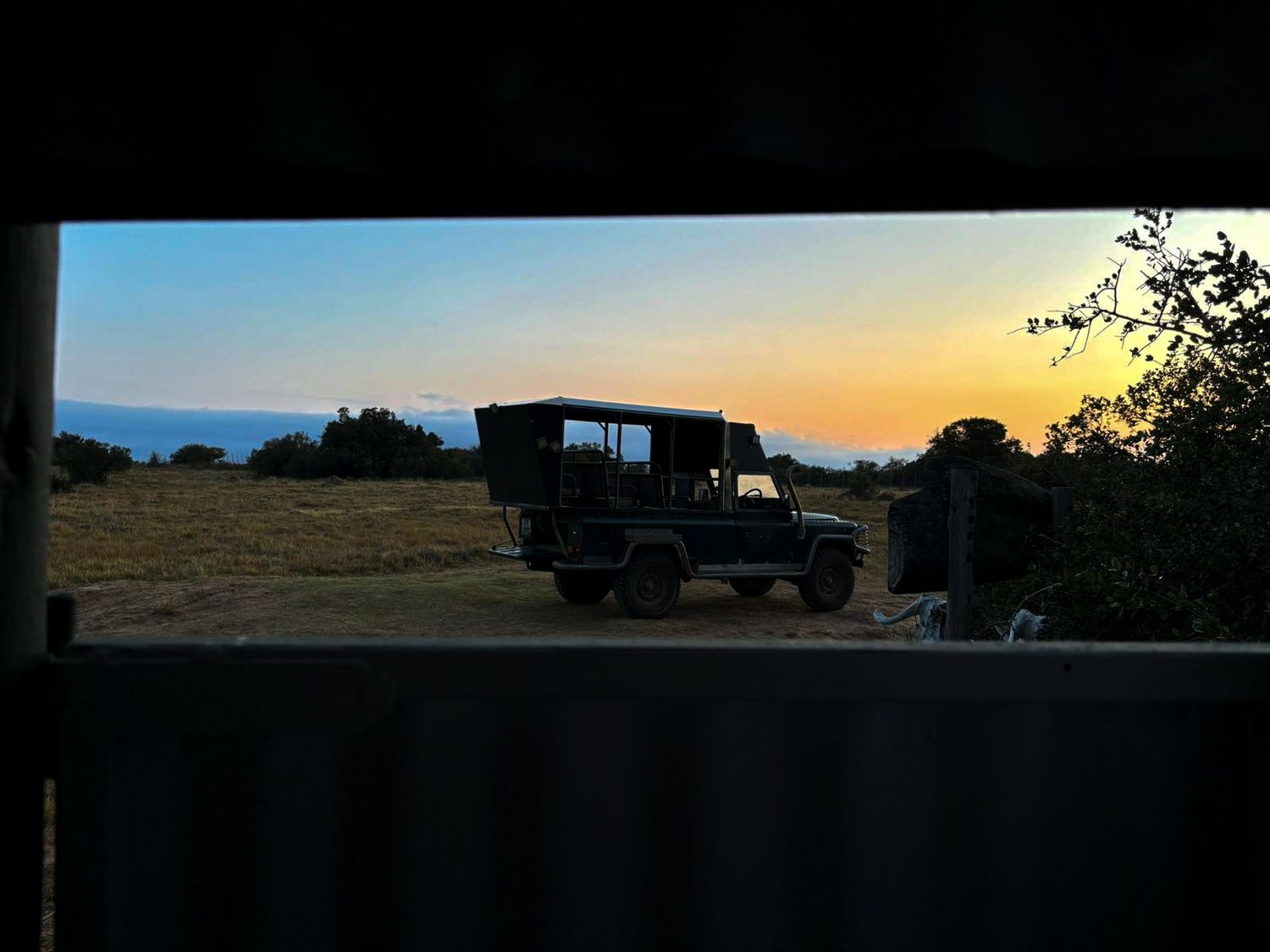
Take a moment to view my portfolio
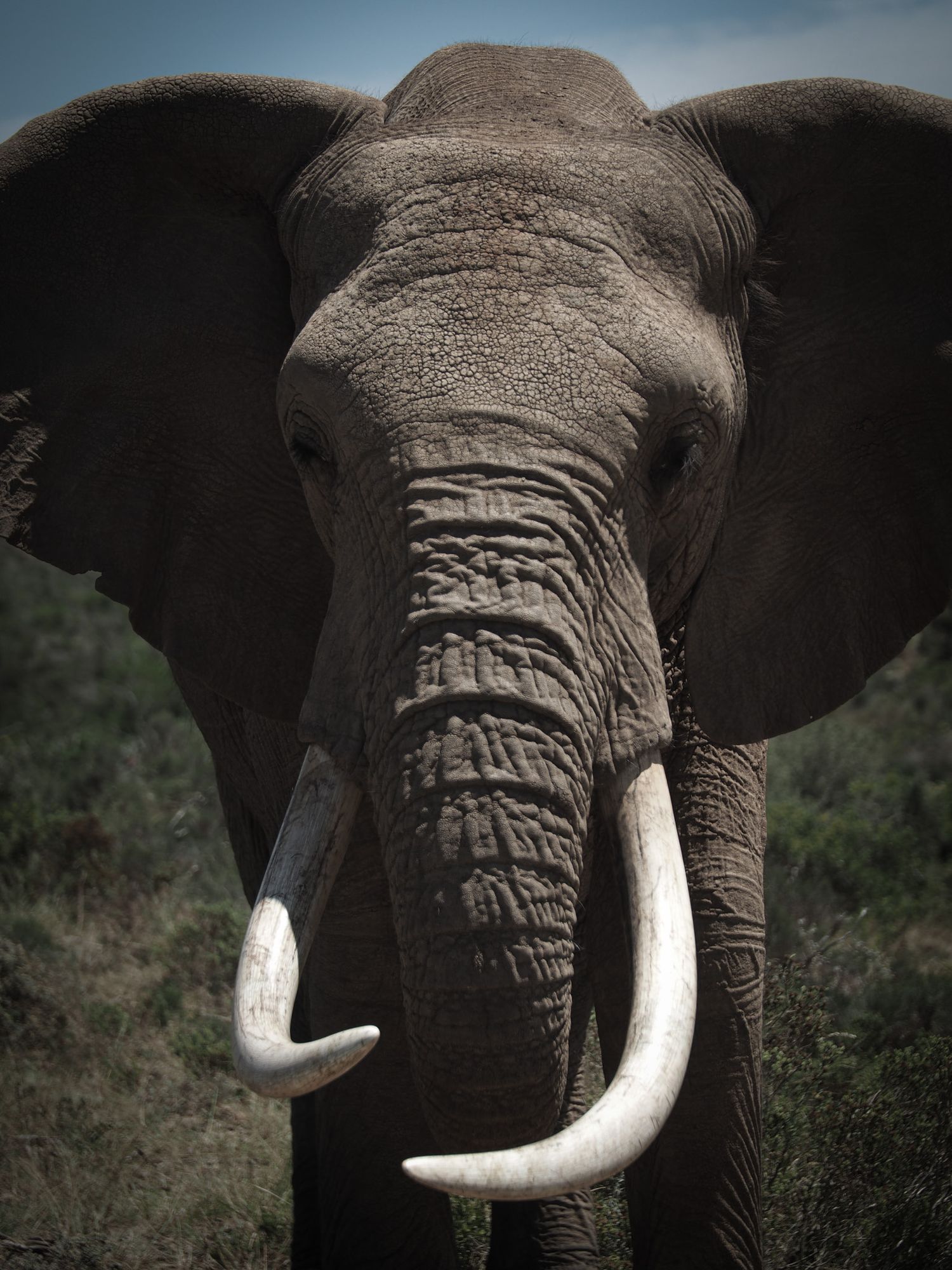
Game Reserves
At the end of the month, we visited several game reserves, giving me the chance to apply what I’d learned. Filming the Big Five and other wildlife came with its own challenges, but it was the good way to improve. We also gained insight into anti-poaching efforts and animal behavior, which deepened my understanding about the environment.
In the field
One of the reasons game reserves are so vital here is the challenge of managing wildlife on a broader scale. Outside of reserves, animals often face threats like habitat loss, human-wildlife conflict, and poaching. Reserves, by keeping animals within protected areas, are not just about creating a safe environment but also managing species populations so they don’t harm or overrun the ecosystem.
Maintenance
Rangers told us about how carefully they monitor animal numbers to avoid overpopulation of certain species, which can lead to damage to the habitat or competition for resources.
In South Africa, many of these reserves are privately owned, and their operations are funded primarily through ecotourism.
But it’s not just about bringing tourists in to “see the Big Five.” The money generated from tourism helps fund conservation efforts, pay for anti-poaching patrols, maintain the infrastructure, and support wildlife research. Without these reserves, much of the land would be converted for agriculture or development, threatening both the biodiversity and the livelihoods of people dependent on the land.
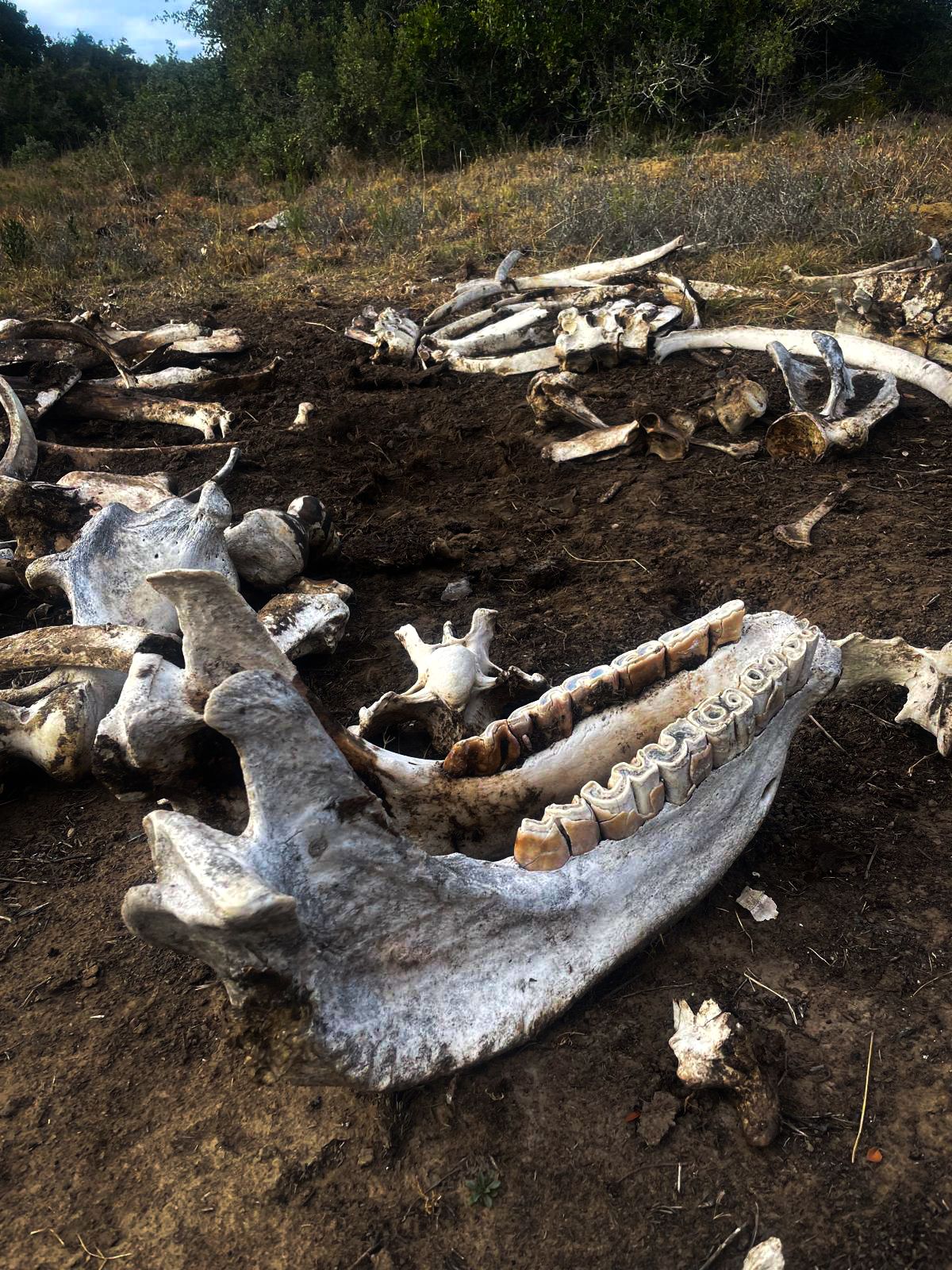
Poaching
One of the harshest realities I’ve witnessed is rhino poaching. The demand for their horns, driven largely by markets in Asia where they are falsely believed to have medicinal properties, has fueled an organized crime network worth millions. And the consequences of this trade are felt right here, on the ground.
Reserves operate under constant pressure, with anti-poaching units patrolling day and night. Even with armed teams, surveillance, and tracking efforts, poachers still find ways in.
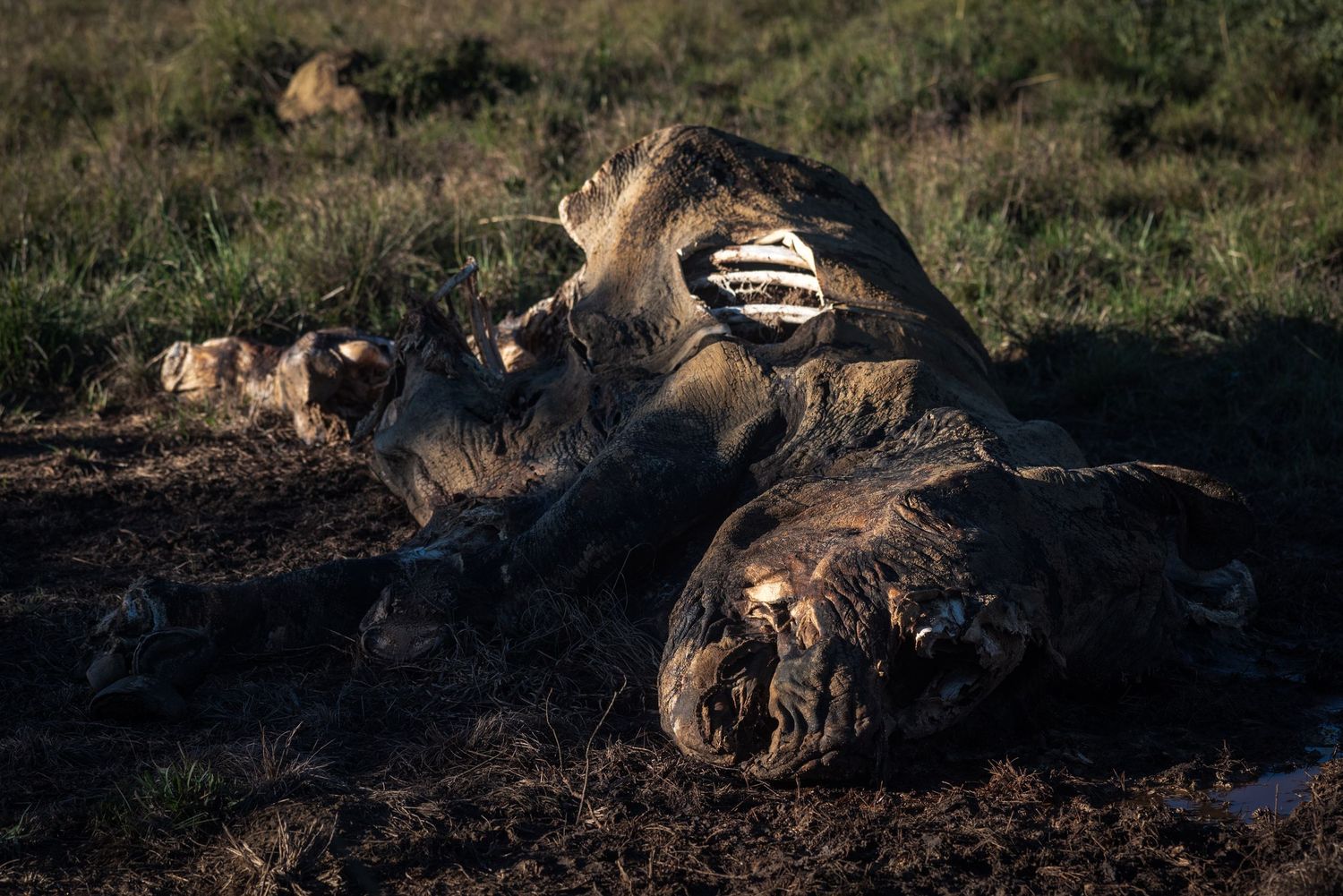
When a rhino is poached, it doesn’t happen the way people imagine. There is no dramatic confrontation, no last-minute rescue. Most of the time, the carcass is only discovered long after the poachers have left—horn hacked off, sometimes while the animal was still alive. The brutality of it is hard to process. Seeing a rhino that has been mutilated for something as meaningless as a belief in the power of its horn is one of the most difficult things I have experienced here.
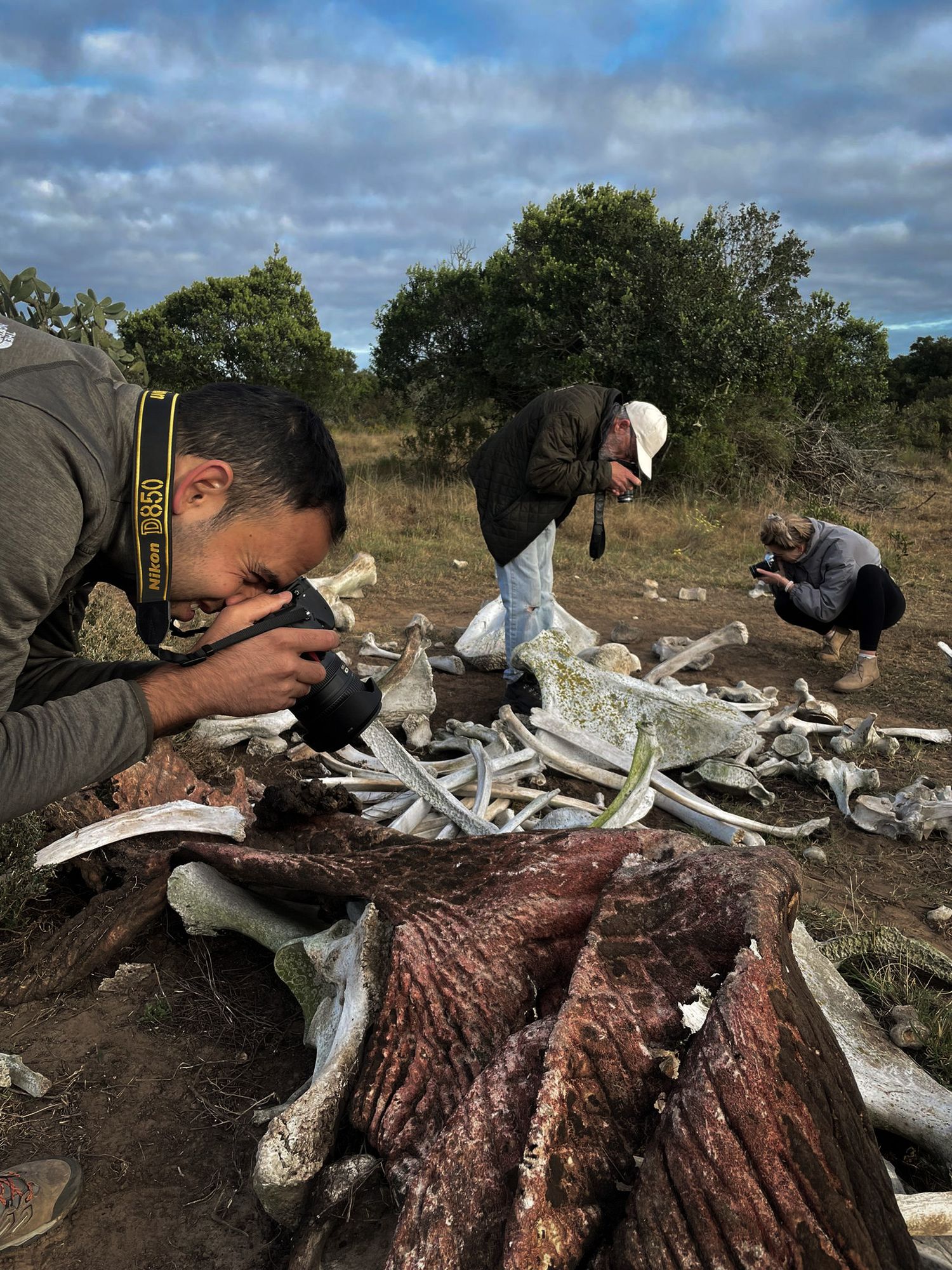
Some reserves have turned to extreme measures, including dehorning rhinos to make them less attractive to poachers. Others use military-style tactics, from drones to armed response teams. But the truth is, as long as there is demand, the killings will continue. Conservationists are not just fighting poachers; they are fighting an entire illegal industry.
Working at Africa Media
A big part of my work has been organizing the structure of the programs, ensuring that students get a balance of theory and hands-on experience. When it came to scheduling field shoots or structuring editing sessions, I’ve learned how much effort goes into making these courses run smoothly.
On top of that, I’ve been guiding new students through the process of wildlife filmmaking. Teaching them camera techniques, helping with their edits, and sharing what I’ve learned along the way, which has made me realize how much I’ve grown myself.
This role has pushed me in ways I didn’t expect, but it’s also been incredibly rewarding.
Seeing students improve, gain confidence, and capture their first great wildlife shots reminds me why I love this field so much. Now that my time at Africa Media came to an end am dedicated to continue my journey into wildlife media and conservation.
From early mornings in the bush to late nights editing footage, every moment has been a lesson—not just in technical skills but in patience, adaptability, and storytelling.
I am grateful to the team at Africa Media; Shirley Rogers and Frikkie Kapp, for their guidance, support, and the chance to work in such an inspiring environment.
Their passion for conservation and storytelling has left a lasting impact on me, reinforcing my drive to continue capturing the beauty of wildlife and the urgency of its protection.