Exploring the Atlantic
Introduction:
From December 2024 to February 2025, I had the opportunity to work alongside and learn from AllAboutScuba and BRANCH Coral Foundation. During this time, I expanded my knowledge not only in scuba diving, (advancing my SSI certifications,) but also in coral bleaching and marine conservation. Collaborating with esteemed scuba divers and marine biologists.
I gained some experience in reef restoration techniques, monitoring coral health, and a better understanding of the impact of climate change on marine ecosystems.
I this portfolio blog I will share my experiences and the lessons I have learned over the past few months.
All About Scuba
I've always had a passion for the underwater world, how could anyone not? With so much of the ocean still undiscovered, that fascinates me. I was curious whether I could combine my love for the ocean with my passion for camerawork, I discovered that I could. I reached out to All About Scuba, a diving school on the small island of Curaçao, where I continued my training. Both as a scuba diver and as a filmmaker and photographer.
Training
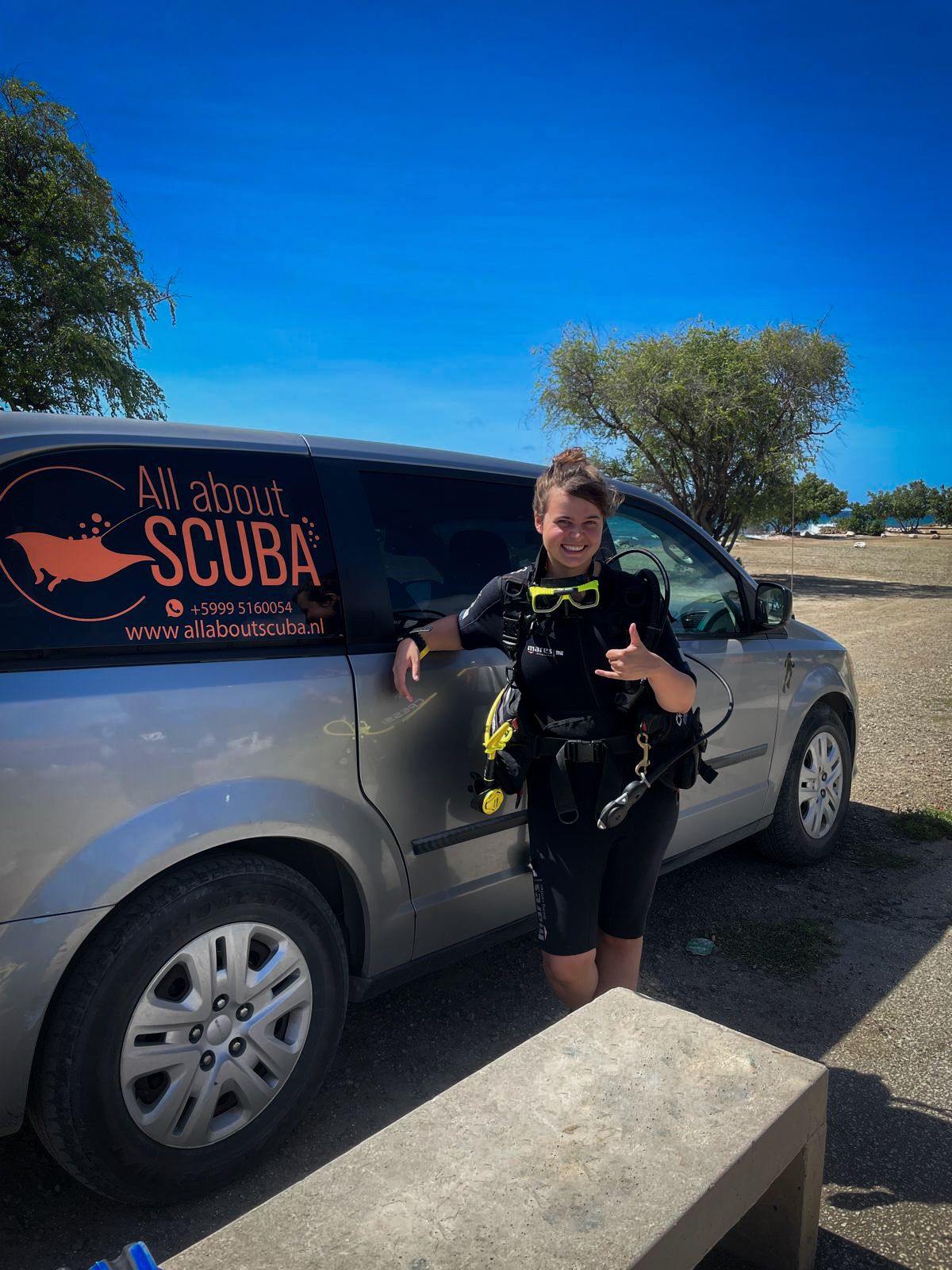
Before coming to Curaçao for my internship, I already had some experience with scuba diving. I loved it and wanted to continue expanding my knowledge.
Rico Troost, my diving instructor, internship mentor, and longtime friend, played a key role in this journey. With years of experience in both professional diving and marine cinema-/ phototography, he guided me through my SSI certifications, refining my diving techniques and ensuring I became more confident underwater.
Beyond just technical skills, he taught me how to approach underwater filmmaking—understanding marine life behavior, working with natural light in challenging conditions, and mastering buoyancy to capture steady, high-quality footage.
Seeing my progress in diving was incredibly rewarding. As my confidence and control in the water improved, I was able to explore deeper, stay underwater longer, and take more in of the mysterious marine world. As I spent more time underwater, I became more aware of my surroundings.
I started recognizing patterns in marine life, understanding how fish moved around the reef and how even the slightest change in current could affect everything. My focus shifted from just maintaining control to actually observing and anticipating what was happening around me.
Working
At All About Scuba, I worked as a videographer and photographer, capturing the experiences of divers who came to explore the underwater world. I documented their dives, creating lasting memories while
I also gained experience as a dive guide!
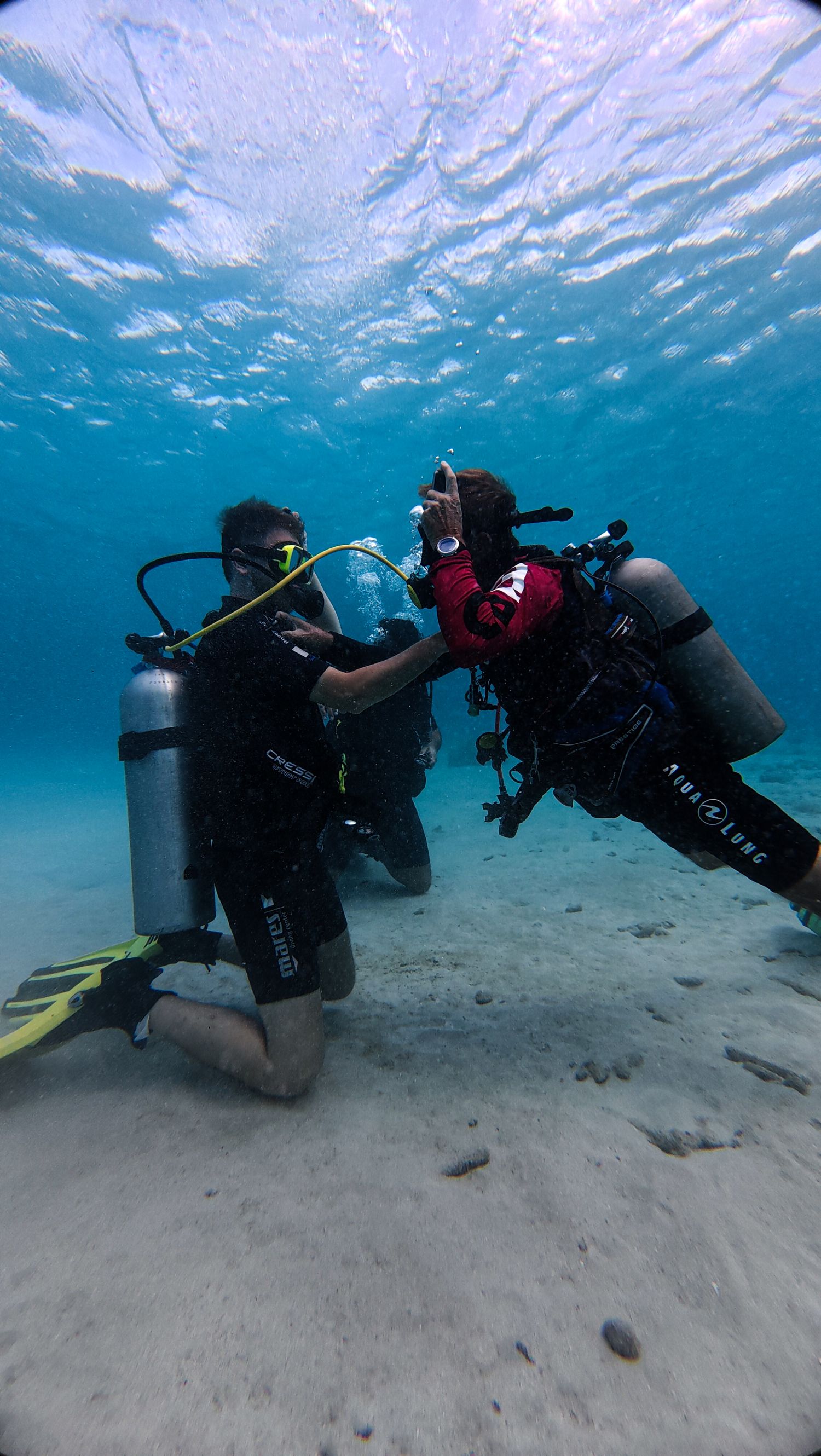
I assisted and instructed divers, helping them feel comfortable and safe underwater. This involved briefing them before dives, guiding them through dive sites, and providing support when needed.
I really loved working as a dive guide! Sharing my knowledge and passion for the ocean, showing others its beauty, and helping them feel comfortable underwater was something that felt just right and rewarding to me. It’s an experience I would love to continue in the future!
Buoyancy
One of the most important aspects of underwater filmmaking—and scuba diving in general, is mastering buoyancy control.
Buoyancy refers to your ability to stay neutrally balanced in the water, neither sinking nor floating. It’s a fundamental skill that affects everything from air consumption to movement efficiency, as well as the ability to capture steady footage.
In underwater filmmaking, buoyancy control is key. Even the slightest movement can make footage shaky. On land, a tripod keeps the camera steady, but underwater, that job falls to you. Without good control, you can drift unpredictably, making it harder to frame shots or follow marine life without disturbing them or damaging reefs.
Multitasking
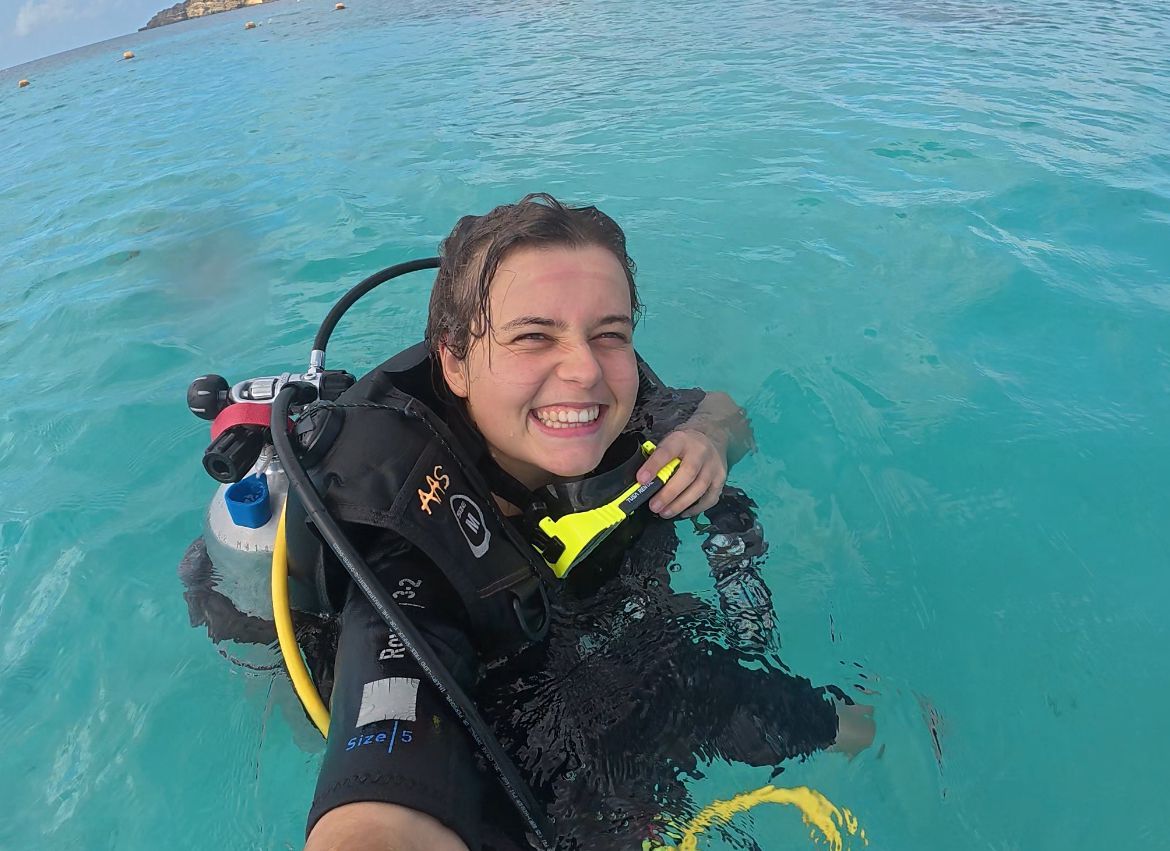
Filming underwater demands a level of multitasking that can be mentally and physically exhausting. While diving, you're constantly thinking about your position in the water, keeping an eye on your air supply, and adjusting to the movement of your body and the surrounding environment. At the same time, you need to remain focused on your camera settings and the shot you’re trying to capture.
When you’re underwater, it’s not just about pressing record and letting the camera do the work. You have to anticipate movement—both yours and your subject's. Marine life moves quickly, and if you’re not paying attention, you can miss the perfect moment. But, staying still for a clear shot is just as important; every movement, even a small shift in your body, can disrupt the shot.
It’s a balancing act, requiring constant awareness and control. Breathing too heavily can make you float or sink unexpectedly, affecting the framing of your shot. Every dive is an opportunity to refine these skills, to learn how to control your movements and the camera at the same time. It's not easy, but when it works, the result is rewarding.
BRANCH Coral Foundation.
During my time in Curaçao, spending more time in the water, I started noticing the signs of coral reef decline. Some areas looked vibrant and full of life, while others were pale, damaged, or covered in algae. I had heard about coral bleaching before, but seeing it up close made it feel much more real.
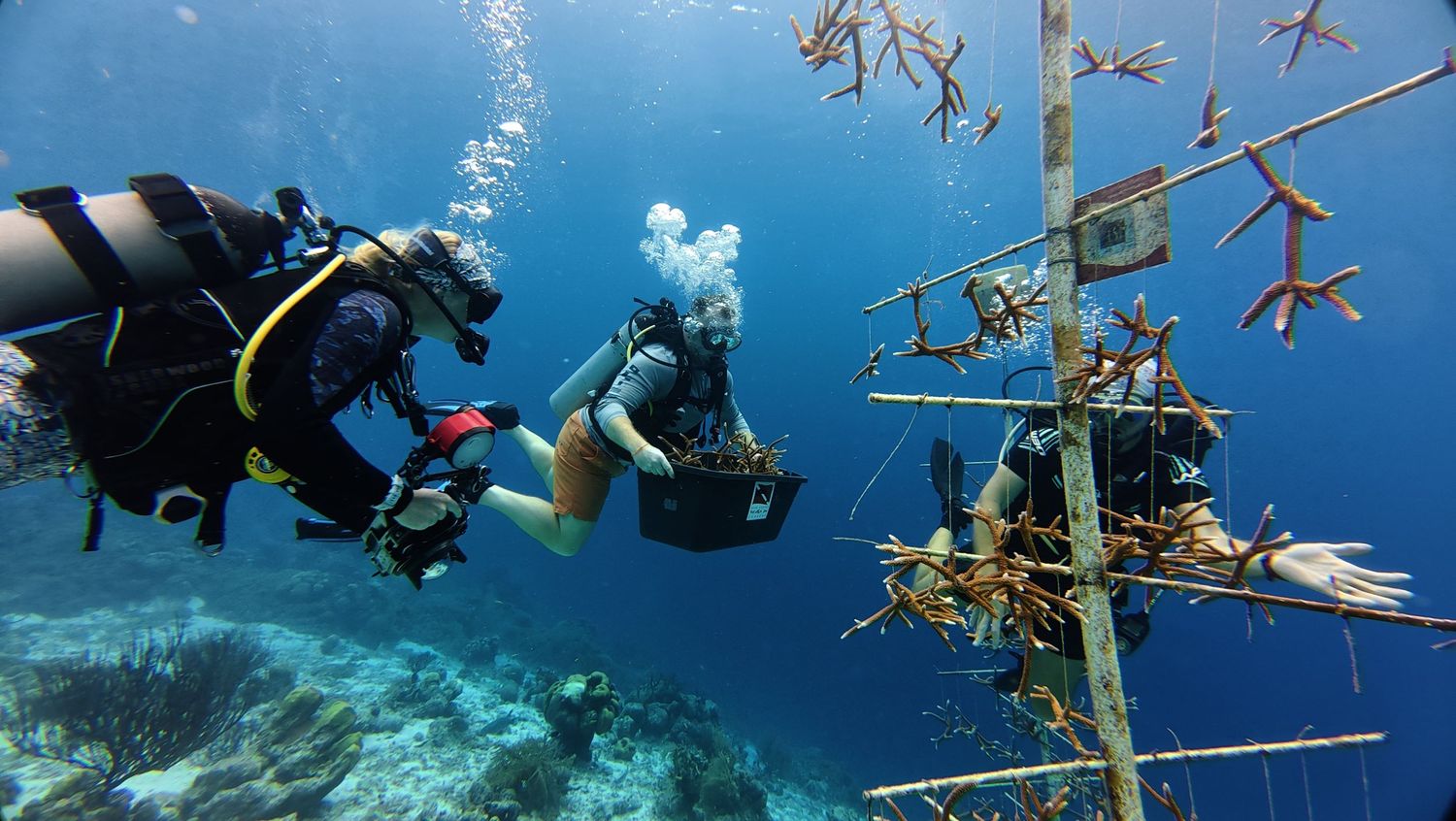
I wanted to learn more because, as a diver, videographer, and conservationist, I felt it was important to understand what was happening to our oceans. To gain firsthand experience, I reached out to BRANCH Coral Foundation, a local organization focused on rebuilding coral reefs. I volunteered to help set up coral nurseries and restore damaged reefs, hoping to contribute in a small way while deepening my knowledge of marine conservation.
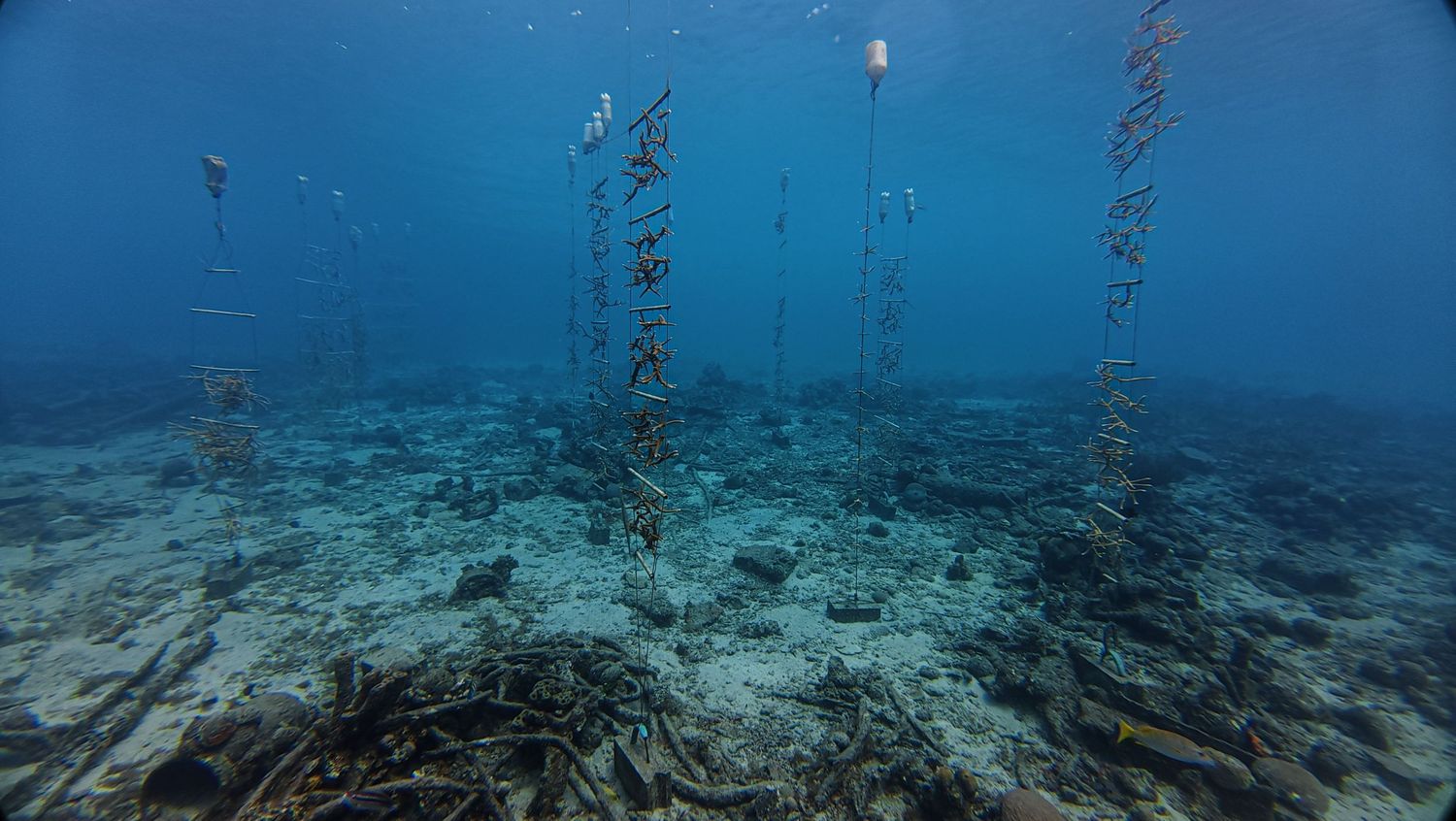
Attempt to restoring reefs through coral nurseries
Coral bleeching
One of the biggest threats they face is coral bleaching, a process where corals lose their color and start to die.
Corals rely on tiny algae that live inside them. These algae provide the coral with food and give them their vibrant colors. But when the ocean gets too warm or polluted, corals become stressed and expel the algae... Without them, the corals turn white. This is what we call bleaching. If the stressful conditions continue, the corals can die, leaving behind lifeless, crumbling reefs.
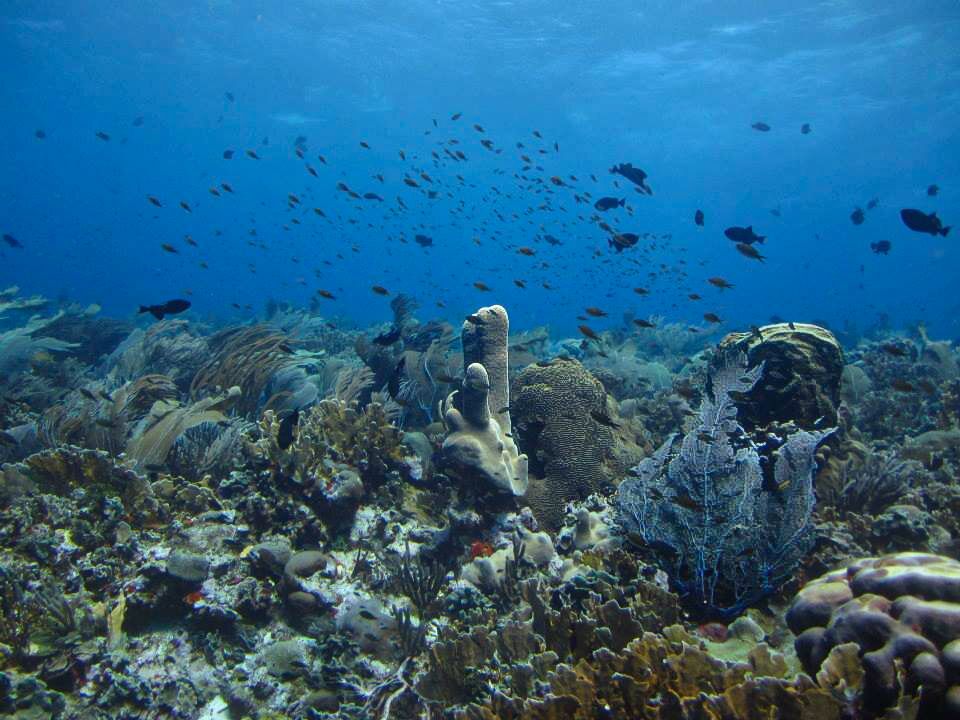
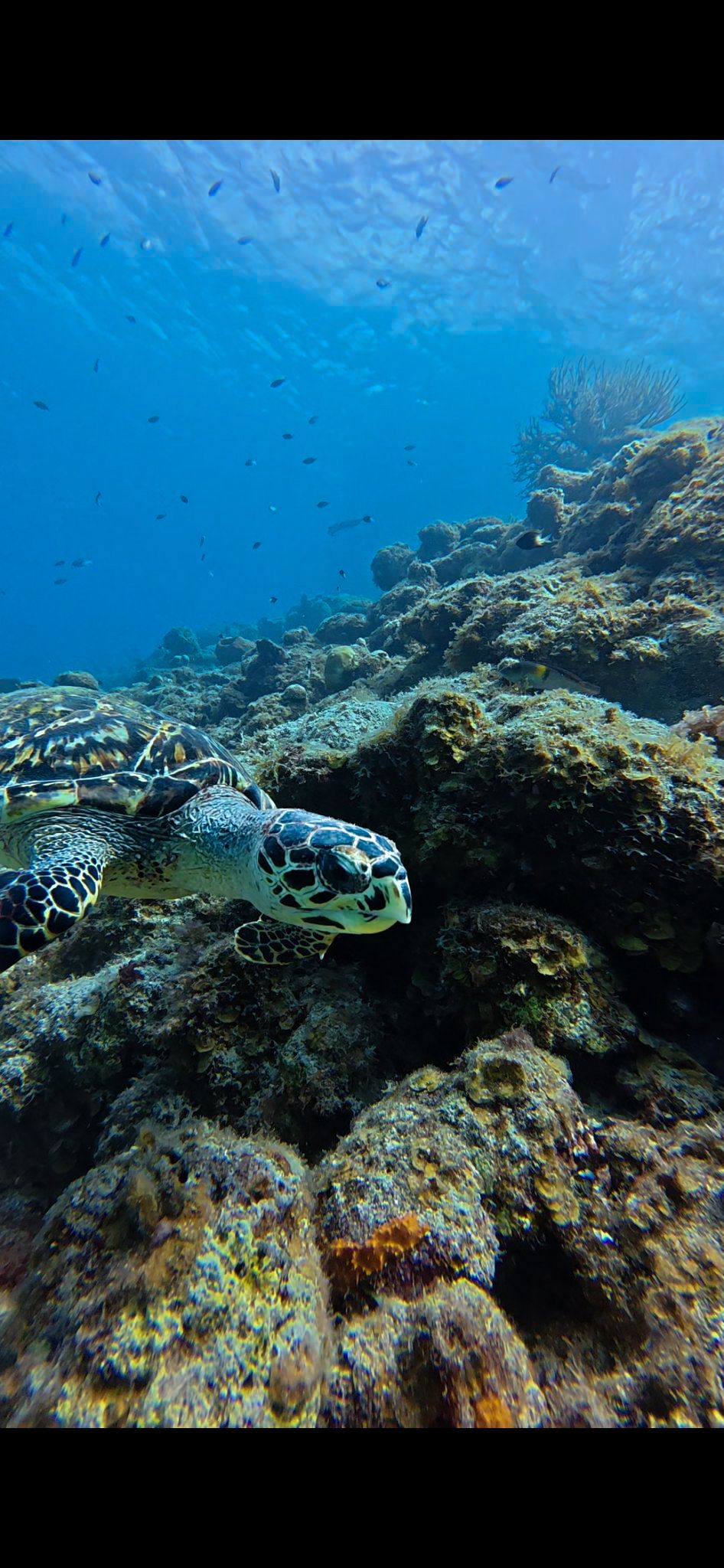
healthy thriving reef
Restoring
For corals to thrive, they need more than just clean water and stable temperatures. They need our care. When the ocean remains healthy and undisturbed, coral reefs can grow, regenerate, and support the incredible marine life that depends on them. By protecting these ecosystems from pollution, overfishing, and climate change, we give corals the opportunity to thrive.
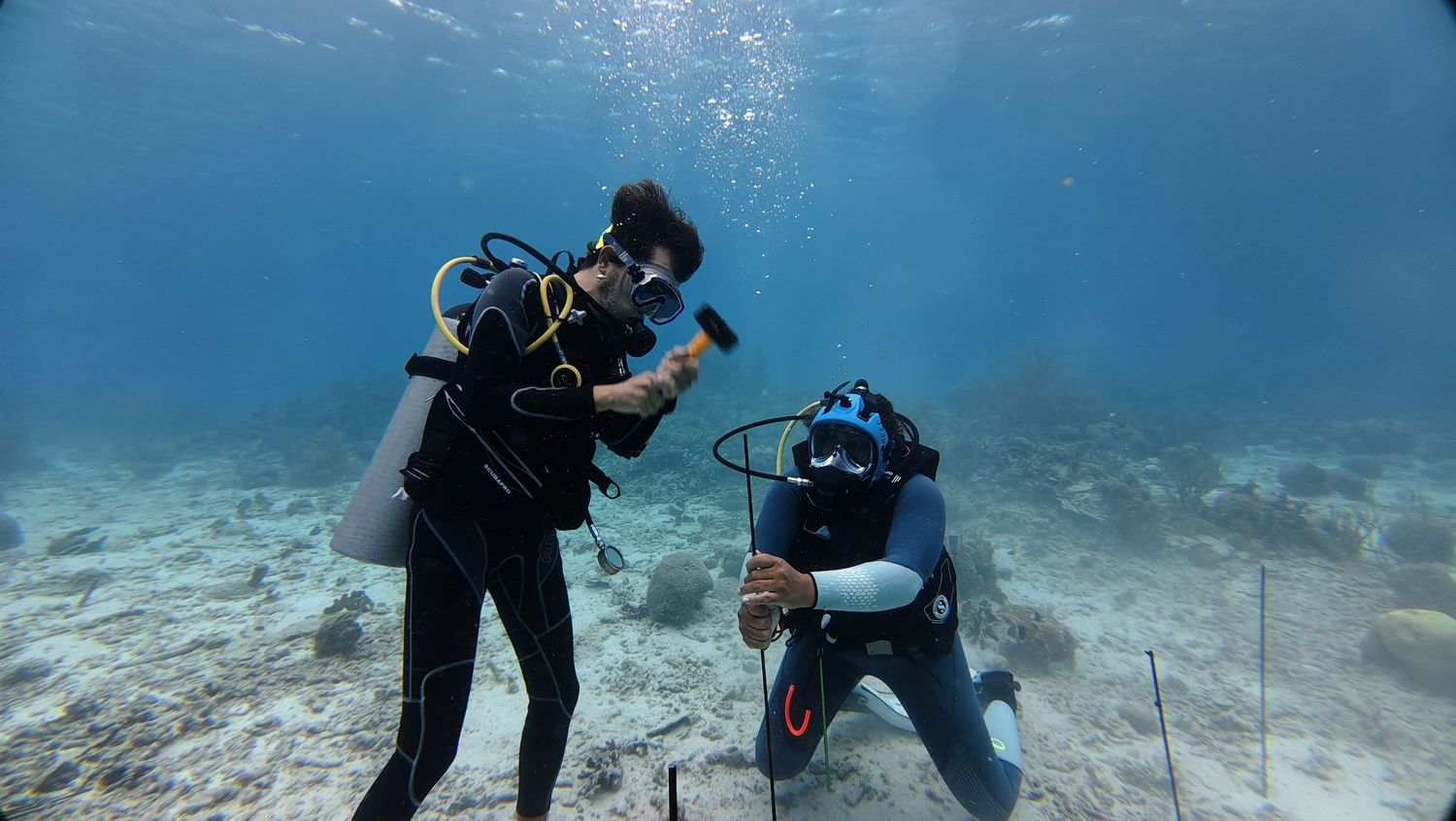
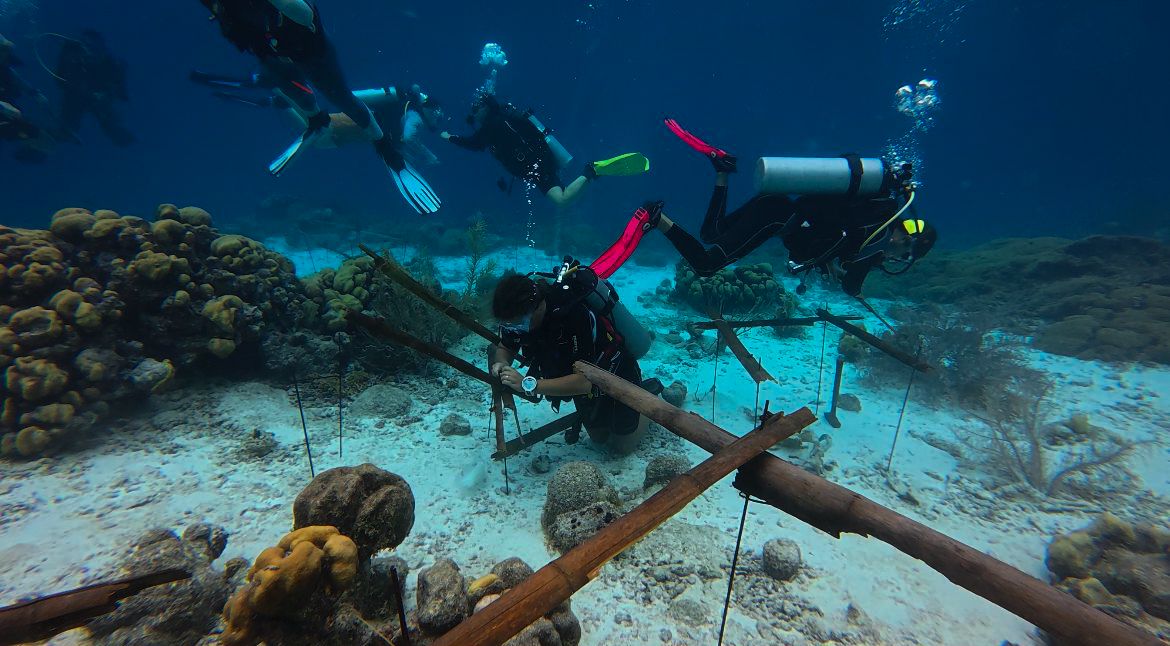
Building plots
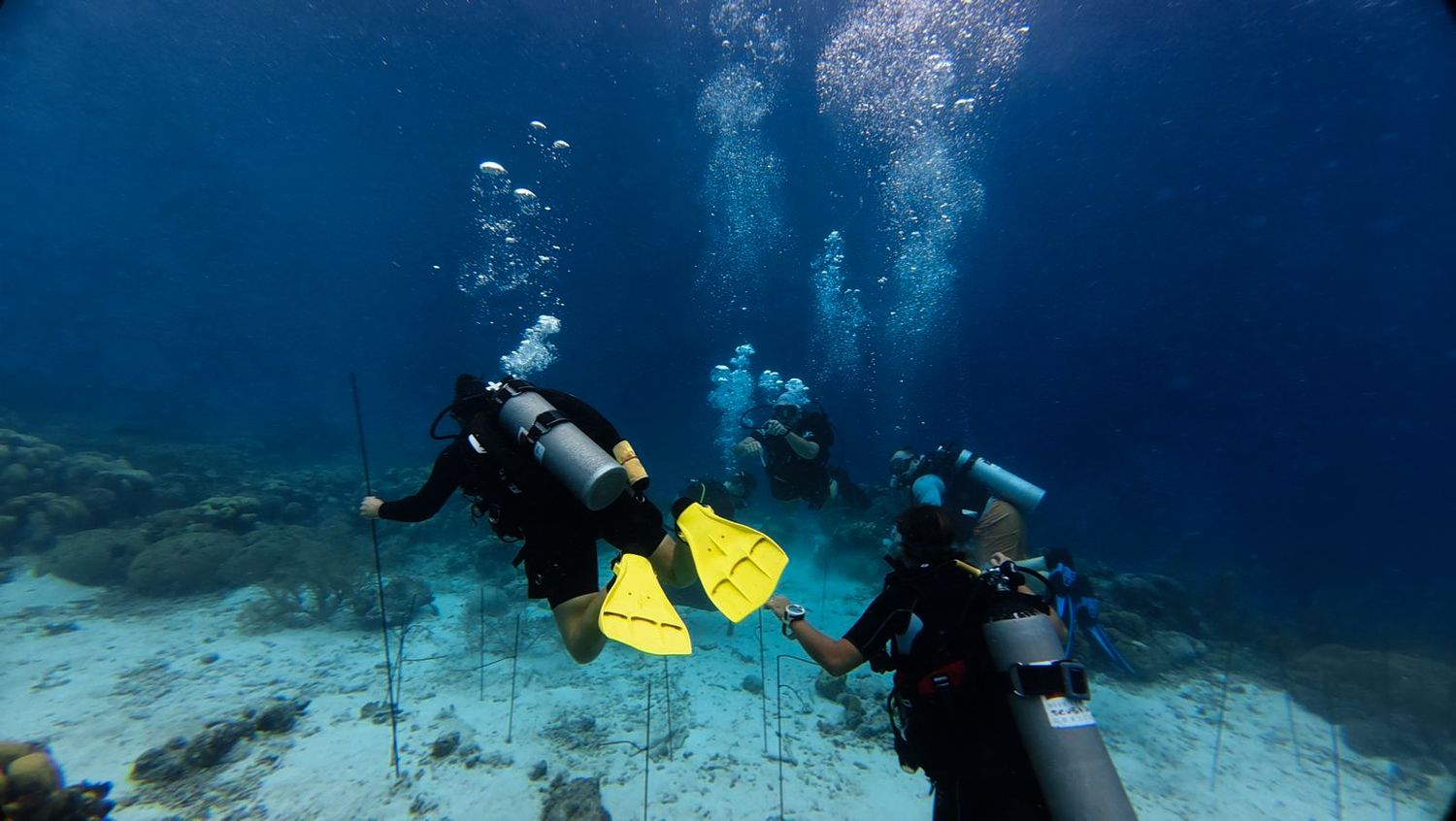
1. To build a coral nursery, a team of BRANCH marine biologists and volunteer divers started by driving poles into the seabed to create designated plots. These poles served as the foundation for the coral restoration site, providing structure and stability.
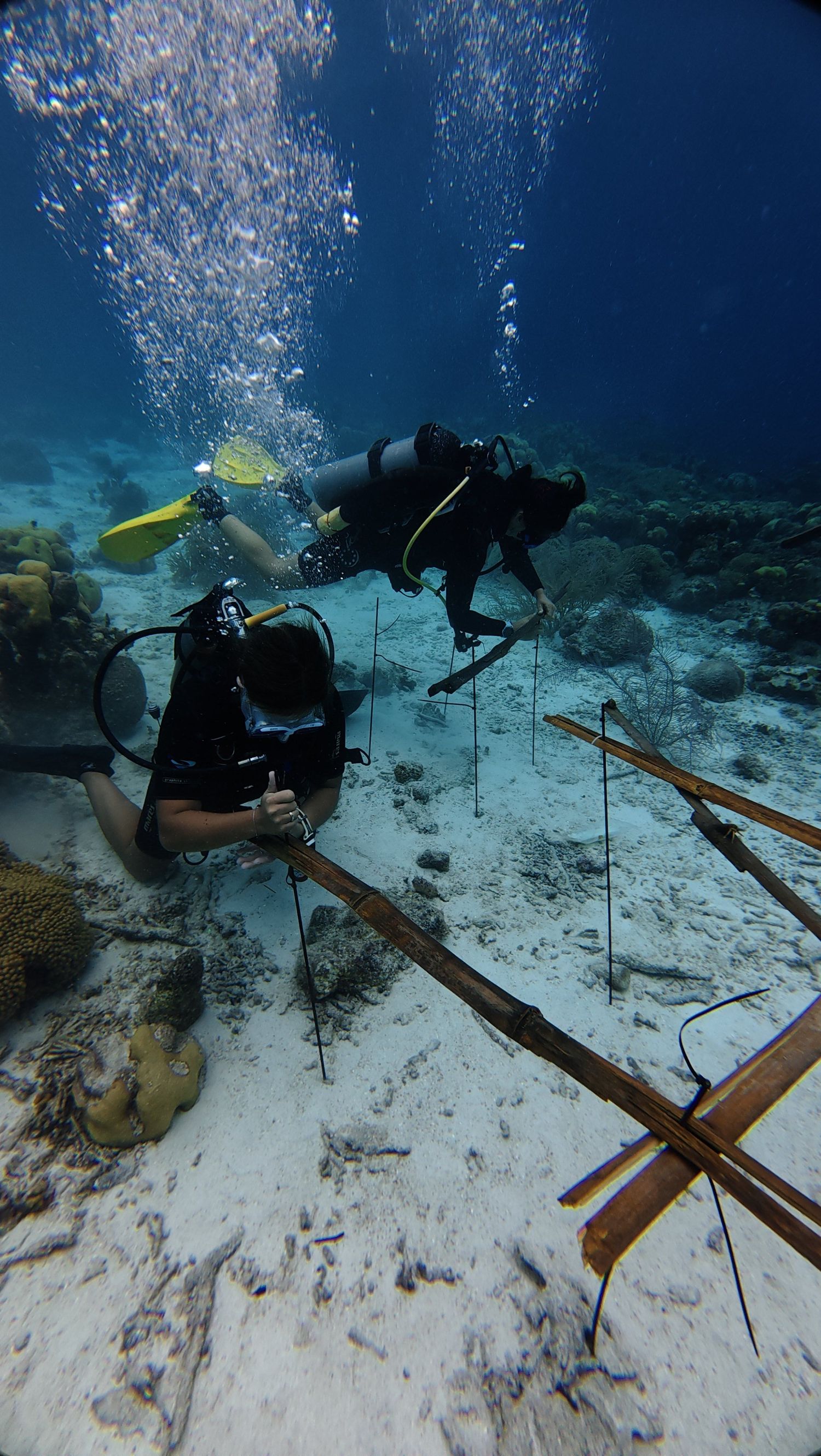
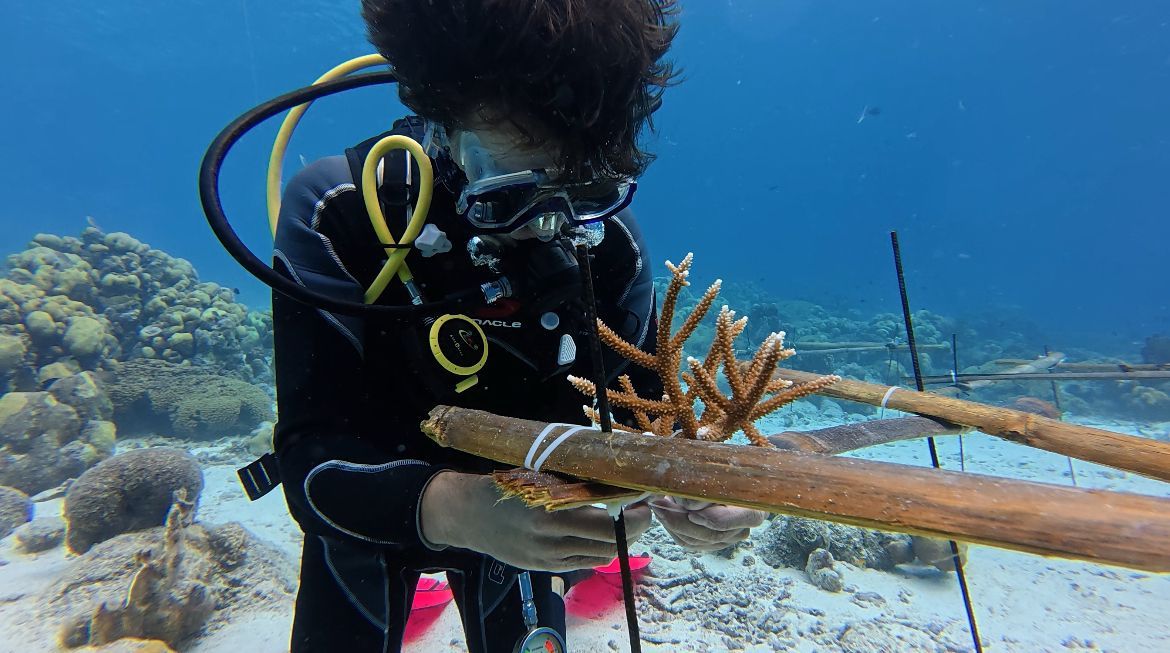
What I learned
Helping with coral reef restoration taught me a lot about the fragility of marine ecosystems and the effort it takes to repair the damage caused by climate change and human activity. I learned how to set up coral nurseries, carefully attaching coral fragments so they can grow before being transplanted back onto the reef.
The work is was quite demanding. Spending hours underwater tying coral fragments or cleaning algae takes good buoyancy control and endurance. Every movement has to be careful to avoid damaging the fragile corals. I found replacing old nursery lines tricky at first, if they break, the corals can fall and die before they can be transplanted.
I really enjoyed being part of the coral restoration work. It was challenging, but there was something rewarding about seeing the corals securely in place, knowing they had a chance to grow. It made me appreciate how much effort goes into protecting marine life. If you ever get the chance to help with a project like this, I’d definitely recommend it. Even small contributions can make a difference for our oceans.
Ending
At the end of january 2025 I finished my internship at All About Scuba...
I’m really grateful to Rico for giving me the chance to work at All About Scuba and for training me as an SSI Dive Guide. His patience and support meant a lot, and I’ve learned so much from him. A big thank you also to BRANCH Coral Foundation for letting me be part of their work. It felt really good to do something that actually helps the ocean and marine life. This experience, working as a duiveguide and underwater videographer has made me even more sure that I want to keep going with underwater media and conservation, and I can’t wait to see where it takes me next!